
In today’s digital world, many parents are increasingly concerned about screen time and its impact on young children. By 2026, digital fatigue has become a common topic among families with preschool-aged children. While technology can have a place in learning, early childhood development thrives when children learn through movement, exploration, and hands-on experiences. Active, screen-free learning supports healthy habits and helps children engage more deeply with the world around them.
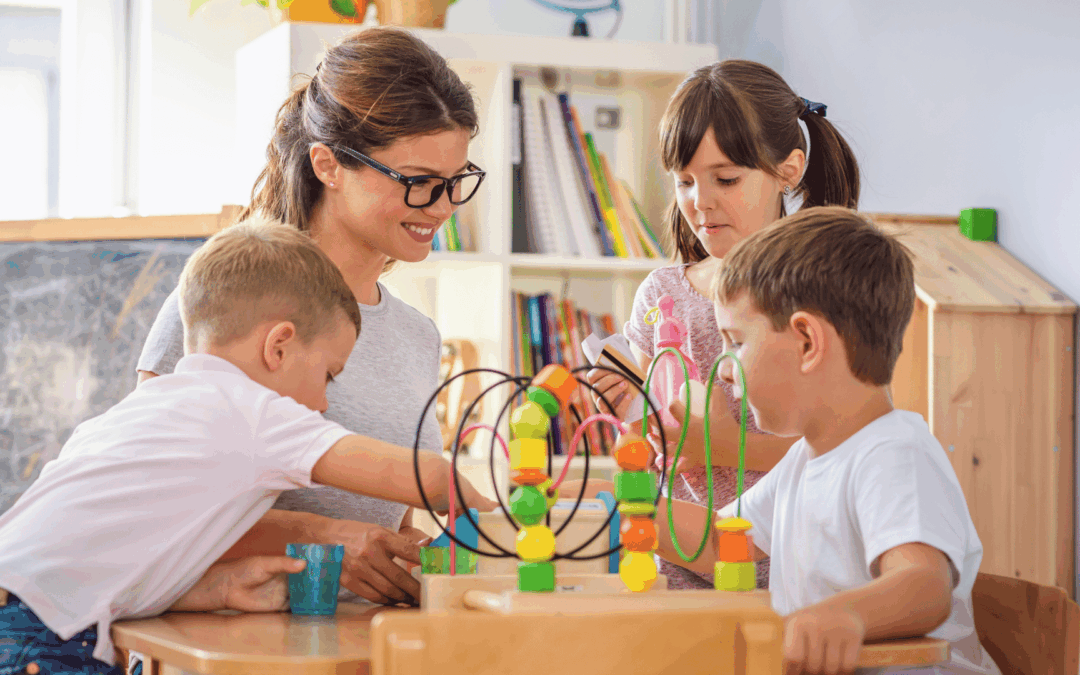
Preschools that prioritize hands-on learning understand that young children learn best when all their senses are involved.
Why Screen-Free Learning Matters
Young children are still developing attention, coordination, and self-regulation skills. Excessive screen use can limit opportunities for movement, creativity, and social interaction. Screen-free activities allow children to build focus naturally while strengthening both their bodies and minds.
Hands-on learning supports healthy habits for kids by encouraging physical activity, curiosity, and meaningful engagement. When children manipulate materials, explore textures and move their bodies, learning becomes active rather than passive.
Engaging the Senses Through Play
Sensory play ideas are a powerful way to support early learning without screens. Activities that engage touch, sight, sound, and movement help children make sense of their environment. Sensory play supports brain development, emotional regulation, and problem-solving skills.
Examples of sensory-rich activities include:
- Exploring sand, water, or natural materials
- Playing with playdough, clay or textured art materials
- Listening to music and experimenting with rhythm and movement
These experiences help children process information while staying fully present and engaged.
Hands-On Learning Builds Real Skills
Hands-on learning allows children to experiment, make mistakes, and try again. Activities such as building with blocks, sorting objects, painting, or working with simple tools encourage creativity and critical thinking. Children learn cause and effect, spatial awareness, and early math concepts through play.
Block building, for example, supports problem-solving and collaboration. Children plan test ideas, and adjust their structures when challenges arise. These moments of discovery build confidence and resilience.
Movement as a Foundation for Learning
Active learning includes plenty of opportunities for movement. Gross motor activities such as climbing, balancing, dancing, and outdoor play help children develop strength, coordination, and body awareness. Movement also supports focus and emotional regulation.
When children are physically active, they are better able to concentrate and engage in learning activities. This balance supports overall well-being and reduces restlessness often associated with long periods of screen use.
Encouraging Healthy Habits Early
Screen-free environments help children develop healthy habits that last. Children learn how to entertain themselves through creativity, interaction, and exploration. They build social skills by playing with peers and communicating face-to-face.
Parents often notice that children who participate in hands-on learning are more engaged, imaginative, and confident. These experiences support independence and foster a genuine love of learning.
How School Support Screen-Free Learning
Preschools that are committed to active learning will intentionally design classrooms that invite exploration without relying on tablets or televisions. Materials are accessible, purposeful, and open-ended. Teachers guide children through activities that encourage curiosity and hands-on discovery.
For families exploring preschool options, understanding how a school approaches screen time is an important part of the decision-making process. A focus on screen-free activities supports healthy development during these critical early years.
In a world filled with screen, choosing an environment that values movement, sensory exploration, and hands-on learning helps children stay connected to themselves and the world around them. Active learning allows children to grow, explore, and thrive beyond the screen.